The Archipelago of Hope is an engaging exploration of various Indigenous communities around the world and how they, using their traditional knowledges and dynamic innovation, adapt to climate change’s effects on their ancestral lands and discover ways to retain their traditions, restore their lands, and help their communities to survive and thrive. From the Skolt Sami in Finland to the Sapara of Ecuador, these communities are hit hardest by the effects of our warming planet, but are rising to the challenge with resilience, ingenuity, and connection – with each other, with the land, with the world. This book was beautiful to read and gave the group lots to talk about during our discussion.
Next month, we will discuss “Metamorphosis: Climate Fiction for a Better Future”, a collection of short stories curated by the nonprofit Grist. Copies are available now online only through Hoopla (click here for a patron’s guide to signing up for this free service) – click the button below to learn more and register.

And now: the resources! Happy browsing!
Book Club Companion
As is now my habit, I’ve created this slideshow to help give me and other readers visual context for certain locations, terms, etc. that are mentioned throughout the book. Basically, anything that made me think “What’s that?” is included here. If you’d like to browse through, this resource should give you a good idea of what the book is like, some themes discussed, and so on. I hope you enjoy!

United Nations Declaration on the Rights of Indigenous Peoples
Adopted in September 2007, this international instrument “establishes a universal framework of minimum standards for the survival, dignity and well-being of the Indigenous Peoples of the world and it elaborates on existing human rights standards and fundamental freedoms as they apply to the specific situation of the Indigenous Peoples.” The impact of this document has been profoundly felt around the world.

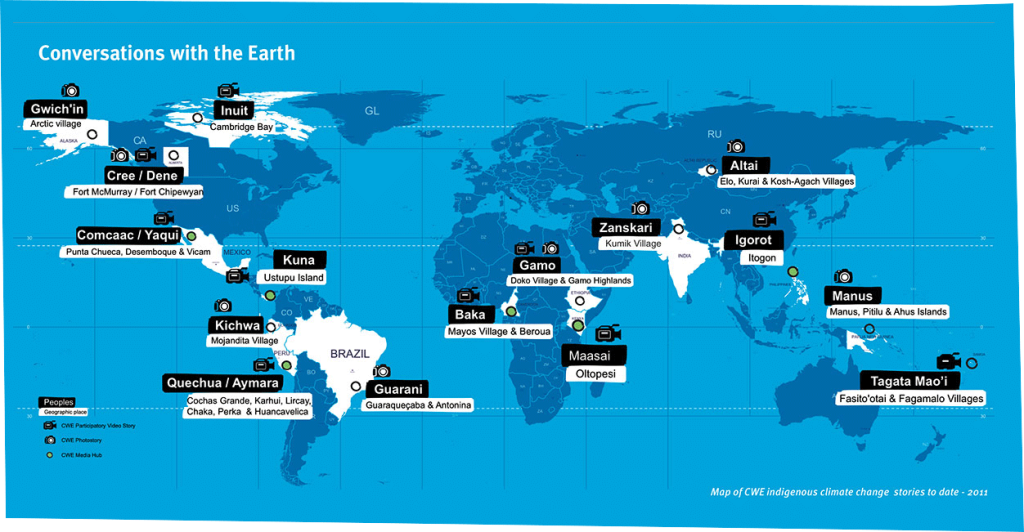
Conversations with the Earth
“Grounded in respectful long-term partnership between indigenous-led organizations and award-winning experts in participatory video, journalism, photography, and audio, CWE conveys local testimonies of the impacts of climate change on indigenous communities, stories of the unintended consequences of imposed mitigation efforts on local livelihoods, and examples of traditional knowledge and its value in developing appropriate responses to climate change.”

Insight Share
Dedicated to “delivering transformational projects with some of the world’s most marginalized communities”, this organization “works with participatory methods that value local knowledge, build bridges between communities and decision-makers, and enable people to develop greater control over the decisions affecting their lives.”

Tyndall Centre for Climate Change Research
This organization undertakes “robust and independent research to identify the challenges and opportunities presented by climate change and inform open and transparent decisions that best serve society”. You can find news and updates on their research on their site, as well as “Tyndall Talks“, their podcast series where they untangle questions and discussions on climate science and policies.

Gwich’in Social & Cultural Institute
Learn about one of the most northerly Indigenous peoples on the North American continent through this site, who’s mandate is “to document, preserve and promote Gwich’in culture, language, traditional knowledge, and values.” Explore images, learn bits of language through audio files, and dive into the vast knowledge of native plants available through the Institute. A fascinating resource!

Snowchange Cooperative
“Winner of the prestigious Goldman Prize (aka ‘Environmental Nobel Prize’) in 2023, SnowChange was started in late 2000 to document and work with local and Indigenous communities of the Northern regions.” Founded and run by one of the major players in Archipelago of Hope, Teru Mustonen, this organization is doing incredible work towards the advancement of Indigenous traditions and culture.
Land is Life
This organization works in communities all around the world “to advance the self-determination and collective rights of Indigenous Peoples”, with a specific focus on protecting territories and securing rights locally, nationally and internationally.
Project World Impact
A great resource that works to connect “cause minded individuals with over 100,000 nonprofits around the world.” Here, you can browse for organizations by cause or by location. Take a look and explore how you can support the causes near to your heart.

Conversations du Monde
Using the emotional power of combined arts (photography, videos, etc.), this organization focuses on promoting oral tradition and cultural empowerment. 4 projects are currently available to explore on their page, including a previously mentioned resource, “Conversations with the Earth”!

Terra Mater Studios
An award-winning production company that has created a collection of hundreds of documentaries “inspired by nature, caring for future.” Many of their documentaries are available for you to explore on their YouTube channel, including the one linked below.

Amazon Watch
The Amazon rainforest is the world’s largest and most biodiverse tropical rainforest, covering an area larger than the continental United States, and it is in crisis (and has been for some time). Amazon Watch seeks to defend this global treasure, amplify Indigenous-led solutions, and advance climate justice. There’s many ways you can get involved and support this mission – take a look!

International Work Group for Indigenous Affairs (IWGIA)
A global human rights organization that is dedicated to promoting and defending the rights of Indigenous Peoples. They “focus on defending Indigenous Peoples’ land rights, promoting inclusion in climate action and participation in local and international decision-making processes. There’s tons of great information, news, and more on their site, check it out to learn more about this great organization and the world we live in.
The Earth Charter
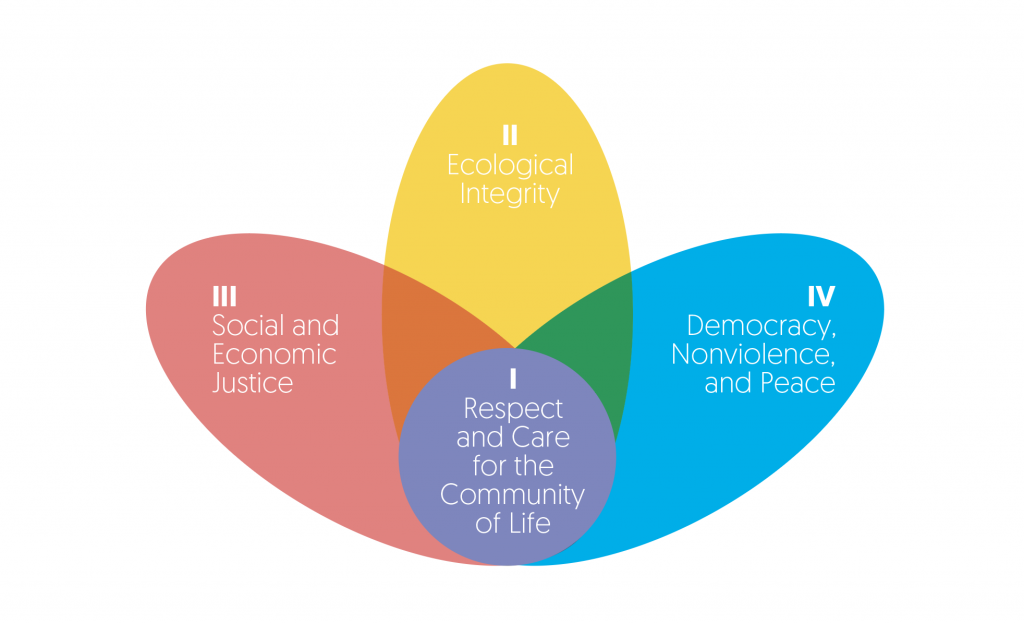
“Crafted by visionaries over twenty years ago, the Earth Charter is a document with sixteen principles, organized under four pillars,
that seek to turn conscience into action.
It seeks to inspire in all people a new sense of global interdependence and shared responsibility for the well-being of the whole human family, the greater community of life, and future generations. It is a vision of hope and a call to action.” Personally, I had never heard of this before, but it’s a fascinating and inspiring read, and is supported by many amazing resources, podcasts, events, masterclasses, and more!
Articles to Explore
Click through any of the links below to read articles collected during my reading of Archipelago of Hope.
Yale Environment 360: “Finland Drained Its Peatlands. He’s Helping Bring Them Back”
“Tero Mustonen has led a successful effort to restore roughly 80 areas of ecologically critical peatlands across his native Finland. In an interview, he talks about the importance of bringing Indigenous knowledge to rewilding initiatives in far northern regions and beyond.”

The Guardian: “Chum-Keepers in Arctic Russia – in pictures”
“The daily life of the chum-keepers, wives of indigenous reindeer herders of Yamalo-Nenets Autonomous Okrug, in Northern Russia, is nomadic and harsh”
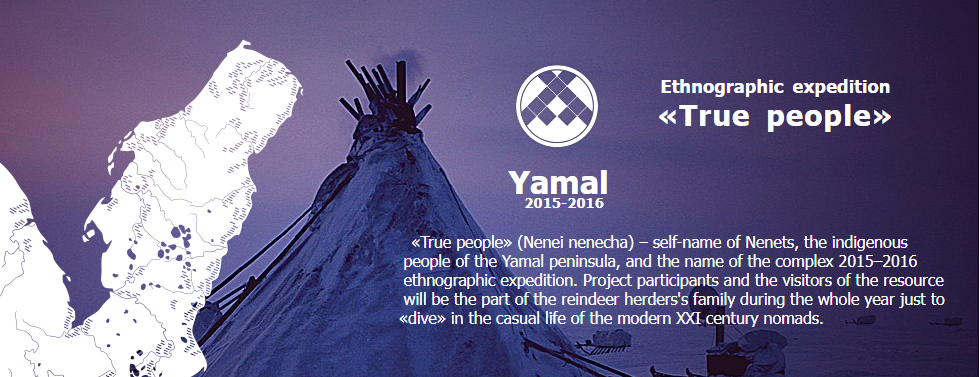
Yamal Expedition: “Expedition Diary”
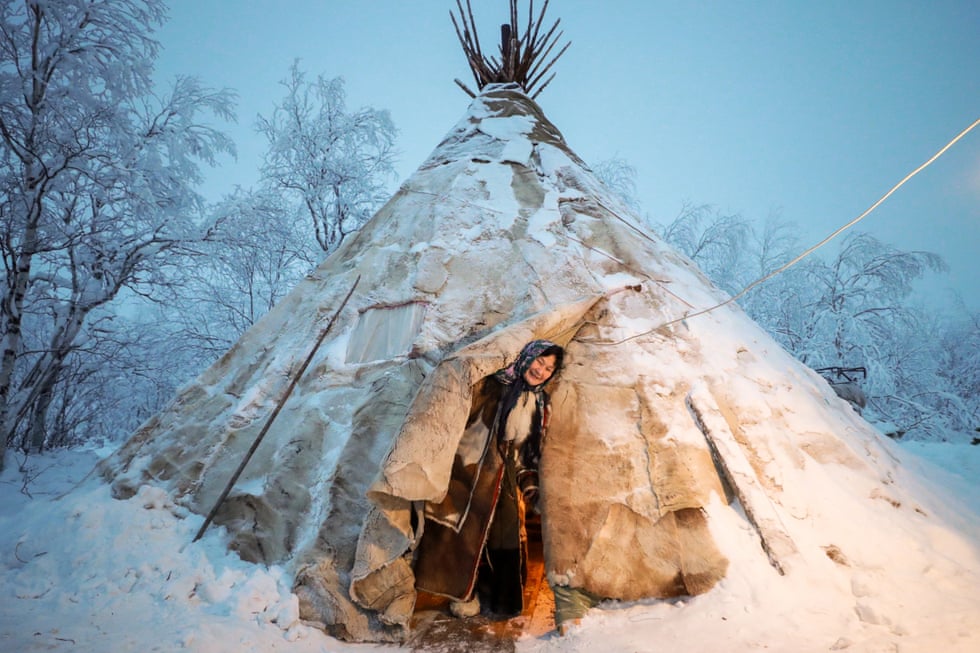
The diary of participants of an “ethnographic expedition” that took place in 2015-2016 among the Nenets reindeer herders of the Yamal peninsula. Further explore this page to learn more about the members of the expedition, read articles, and watch videos created while fully immersed in the lives of a Nenets family. Truly captivating!
The Past: “Altai Rock Art: Visions of the Past in Mongolia”
“Survey and excavation in a remote region of Mongolia are revealing a wealth of information about an extraordinary concentration of rock art. Richard Kortum reveals what has been found, and why it is so significant.”

Slow Food: “The Sweet Guardians of Hin Lad Nai”
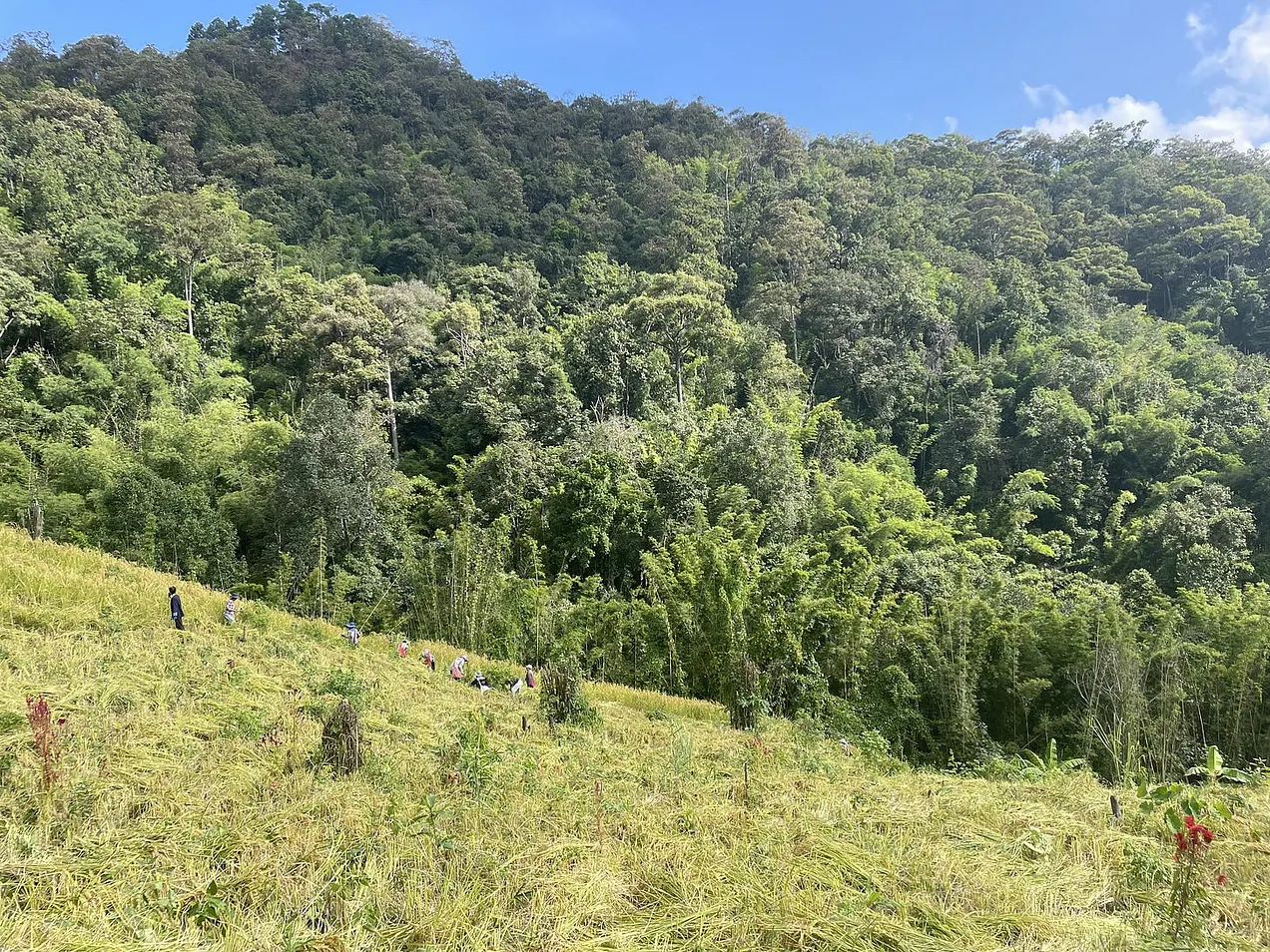
“How an Indigenous people in Thailand protect wild honey and the forest.”

Offshoot: “Hin Lad Nai: A Successful Model of Indigenous Resistance”
“In Northern Thailand, a small community is reshaping global forest management policy”
A blog post detailing the author’s visit with an Indigenous hillside tribe in Thailand called Hin Lad Nai. This group, and their wild honey, was featured prominently in Archipelago of Hope.
Medium: “The Tla-o-qui-aht People and Climate Change: Chapter 1”
“The first of an eight-part series on how the Tla-o-qui-aht indigenous people are strengthening their ability to cope with social and environmental challenges.” Written by the author of Archipelago of Hope, Gleb Raygorodetsy!

Terralingua: “Innovations as Part of Sustainable Practices in Biocultural Landscapes”
“Experiences from Rotational Farming in the Hin Lad Nai Community of Northern Thailand”

Inside Climate News: “This Country Voted to Keep Oil in the Ground. Will it Happen?”
“More than 10 million Ecuadorians voted last year to ban oil operations in part of the Amazon rainforest. But heavy crude has continued to flow from the region, which is home to uncontacted Indigenous families.”
“Update: After this article was published, the Ecuadorian government announced plans to cap and close 246 oil wells in the Ishpingo, Tambococha and Tiputini (ITT) fields beginning on August 30, 2024. That phase-out process will last until December 31, 2029. The government expects that removing other infrastructure, such as well pads, and remediating environmental damage will last through August 31, 2032.“

Bangkok Post: “A Way of Life”
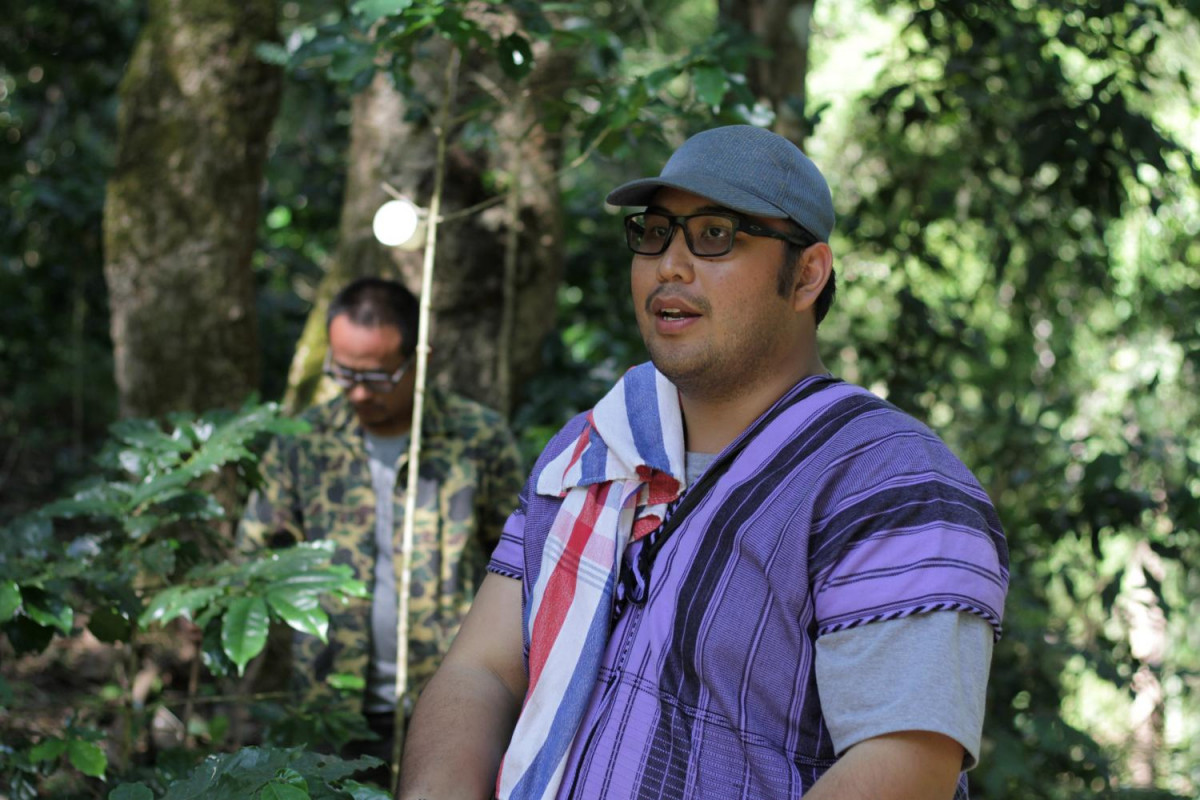
“Ethnic Karen Nutdanai Trakansuphakon is working hard to ensure the outside world see the positives of rotational farming”
Women’s Earth & Climate Action Network (WECAN): “Indigenous Women of Ecuador Stand for an Amazon Free from Extraction on International Women’s Day”
“On March 8, cries, cheers, shouts and drum beats rang out in the air of Puyo, Ecuador, the streets pulsing with the movement and steady steps of over 500 Indigenous women leaders and international allies, standing together to denounce a new oil contracts recently signed between the Ecuadorian government and Chinese oil corporation Andes Petroleum.”

Orion Magazine: “Five Questions for the Author: Gleb Raygorodetsky, The Archipelago of Hope”
“To celebrate the recent launch of an important and relevant new book, The Archipelago of Hope, I reached out to its author, Gleb Raygorodetsky, to learn more.”

Thank you for reading!
I hope we’ll see you next time — Wednesday, November 12, 7-8:30 p.m. — to discuss “Metamorphosis: Climate Fiction for a Better Future“, edited by Grist