

“Regeneration: Ending the climate crisis in one generation” is, as we found out in our meeting of the Environmentalism Book Club last month (this blog is very late – apologies!), an extremely enjoyable, thoroughly researched, vast treasure trove of information and, most importantly, hope for the future of humanity and our relationship with the Earth. We found ourselves flipping to topics that caught our eye and reading the brief but thorough chapters that cover those topics, outlining an overview of the crisis at hand and offering tangible action items individuals, groups, and companies can take. Topics ranged from Oceans to Forests to Industry and Architecture, so there really is something for everyone in this book.
“Regeneration” is a wonderful resource that I anticipate revisiting many times in the future.
On to the resources! As you can imagine, this book was full of suggestions and shout-outs to organizations across the world, and, as always, our Book Club participants had some great additions as well. Happy browsing!
Resources

Regeneration – Website Companion
This website is incredible! A “comprehensive approach to tackling our greatest challenges, weaving climate, justice, biodiversity, democracy, and human dignity into a tapestry of action, policy, and transformation”, there are several facets of the site I’d like to feature and highly, highly encourage you to explore:
Nexus
With entries covering topics from Afforestation to Net Zero Cities to Regenerative Agriculture to Women & Food, there’s a whole world to explore here. Each entry includes:
- Call to Action
- Overview of the topic at hand
- Photos and videos to give additional context
- Action Items for Individuals, Groups, & Companies
- Governance – what legislation or regulations would be needed to make a positive impact
- Key Players – who’s making waves in this area? Individuals, organizations, and businesses are given shout-outs for their work around the world
- Learn – my favorite section, linking you to videos to Watch, articles and books to Read, and podcasts to Listen to.

Cascade of Solutions
If you click on only one link from this entire blog, let it be this one. On this page, you can scroll through an entire, well, cascade of solutions! Beautifully and thoughtfully laid out, you can click through and explore topics that catch your eye, learning how everything is interconnected and flows together. This page is truly gorgeous to look at and highlights many topics from the book and links, when applicable, to the topic’s Nexus page for further exploration.


One Earth
“Building a global network of people empowered to protect our Earth”, this website collects even more solutions that “provides a roadmap to stop climate change and protect biodiversity. The solutions are readily available, science-based, and fall under three pillars of collective action.” The pillars are detailed below, but this site, much like Regeneration, has information about actions we can take and projects we can support to help heal the Earth and our relationship to it.

You can also explore the globe’s bioregions and find out more about the land we live on + projects taking place within the region.


The 15-Minute City Project
This concept is introduced in the book “Regeneration” and even has its own Nexus! This specific project highlights “relevant and inspiring efforts around the world to create 15-minute cities” and is “designed to help access-focused urban transformations be what we need them to be: ambitious, inclusive, measurable and effectively implemented.”
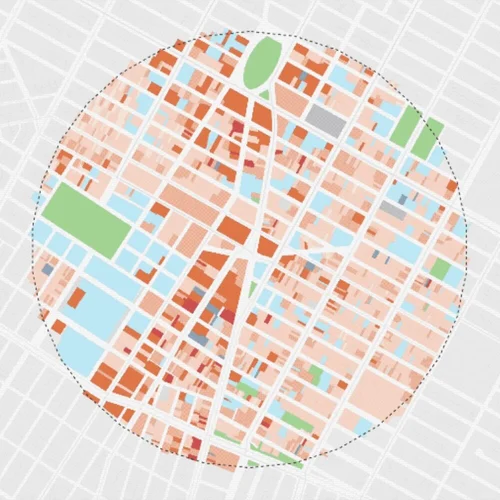
Cleveland was very recently featured on this project’s blog! Here is a quick excerpt from the entry. It’s an interesting read, going through Cleveland’s history and highlighting hopes for the future:
“Cleveland is leveraging the 15-minute city concept in the best way: as a framing device to clearly communicate to the public a vision for what a city can and should be, and a container into which you can fit a multitude of great ideas to make cities more inclusive, inviting and joyful.
Cleveland faces a long road in creating a more equitable, walkable city. But with a long history of fierce civic pride and can-do spirit, strong leadership from Mayor Bibb, and creative and energetic city staff like Matthew Moss, Cleveland is unquestionably a city to watch and to learn from.”

Soul Fire Farm
An “Afro-Indigenous centered community farm and training center dedicated to uprooting racism and seeding sovereignty in the food system.” Their work includes practicing regenerative agroecology, distributing food to their community in New York, equipping the “rising generation of BIPOC farmers” and mobilizing communities to work toward food and land sovereignty.
Library Connection!

The founder of Soul Fire Farm, Leah Penniman, wrote a book titled “Black Earth Wisdom: Soulful Conversations with Black Environmentalists” that is available as an eBook or eAudiobook through Hoopla!

Battery Tour
The “longest-running clean energy-powered concert series in the USA and worldwide.” Led by the artist AY Young, this tour’s mission is to “Use Music for impact”, and is on it’s way to 1,000 concerts produced using clean energy – they just completed concert 958!
In partnership with “Regeneration”, AY wrote an anthem for change titled “We Can Change the World” – listen below!

Cuyahoga Recycles: How to Recycle Right
If you’re anything like me, you often get frustrated by not knowing for sure whether something is recyclable, and if so, if my recycling center can accept it. This website solves that problem! It has a comprehensive guide on what can and cannot be recycled in Cuyahoga County, as well as instructions on how to make sure your items are properly recycled.


Nurdle Patrol
Do you know what a nurdle is? I know I didn’t, before now. A nurdle is “a plastic pellet which serves as raw material in the manufacturing of plastic products.” They’re basically the building blocks of plastic products. Unfortunately, these pellets are washing up all over the place – beaches, riverbanks, and lake shorelines – by the millions. Nurdle Patrol is an organization providing information about this issue and also a way to view or document data on cleanup efforts around the world.

Thus concludes our collection of resources for June’s Environmentalism Book Club meeting. I hope you enjoyed browsing through, and that you’ll consider joining us next time!


