What Is Oil Paint?
Oil paint is simply pigment mixed into an oil medium, often linseed oil. Most famous artists of history used oil paint. Oil paint is similar to acrylic paint in a lot of ways; it’s a gel that is applied with a brush, and it’s opaque, although it can be thinned with a medium for a more translucent look. However, acrylic paint dries fast, and oil paint dries very, very slowly. This allows ample time for detail work and smooth blending.
Visual Characteristics

Like acrylic paint, oil paint often has visible brushstrokes and layered colors. Sometimes you can see the texture of the canvas underneath the paint, as in the image on the left (detail from Llama Llama Time to Share, by Anna Dewdney). The telltale sign of an oil painting is advanced blending. Because oil dries so slowly, paint can be added, blended, scraped off, covered up, reapplied, and more—all before the paint sets! At the risk of sounding unscientific, there is something so undeniably luscious about oil paint. It’s richness and smoothness is incomparable.
A few years ago, I had the opportunity to chat with artist Matt Myers. I liked the way he described the distinct quality of oil paint: the textures are “buttery.” An apt description, considering the fact that oil paint and room-temperature butter are similar in consistency and spreading behavior. (Oil paint is highly toxic and not recommended for eating, but I don’t know if butter is any good for painting!)
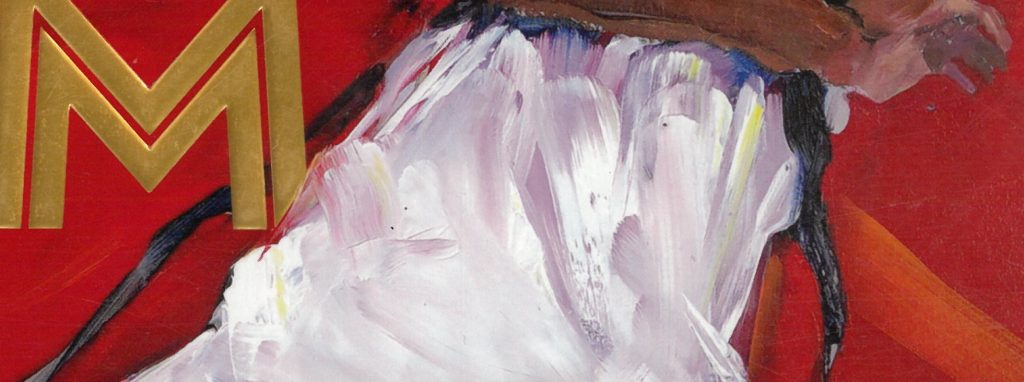
Above is a detail from I am Every Good Thing by Derrick Barnes, illustrated by Gordon C. James. Can you see the white brushstroke that is “frayed” along the end of the stroke? Can you see how the pink and white are blending together? There aren’t hard lines and distinctions between the brushstrokes. Can you see where the brush tip has smoothed a touch of blue down into the pink?
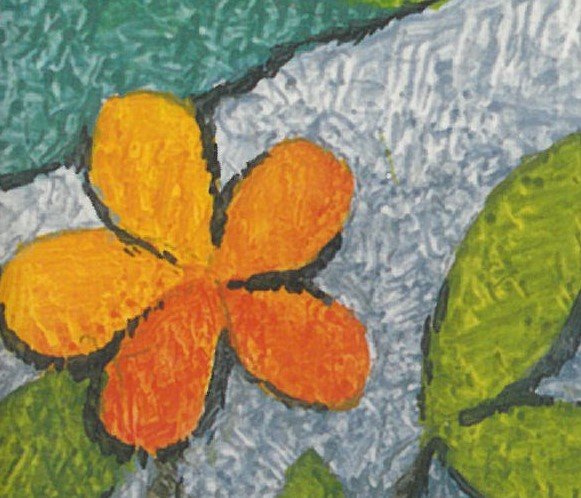
On the right is a detail from Randy Cecil’s The Spaceman. Cecil is using a lot less paint than James; you can see the whiteness of the surface showing through. Oil paint allows him to apply all that meticulous texturing without the risk of the paint drying before he finishes. Even oil paint that has been applied as frugally as this will still blend easily, as you can see in the flower petals.
The examples in this blog post lean towards expressive brush work, but it’s important to remember that oil paint is also a great medium for realism. It allows for a lot of subtleties in color and shade, and is forgiving enough to correct and rework areas until they look just right. The classic artists would agree!
Frequent Pairings
Matt Myers explained to me that many artists will start an oil painting with a base of acrylic paint. Acrylic paint dries quickly and it’s a great way to block in all your color. Afterwards, oil paint can be applied on top, and the artist can introduce details and all the lovely buttery brushstrokes. However, acrylic paint cannot be applied on top of oil paint–it will crack!
Oil pastels can also easily be used with oil paint, because they share an oil base.
Read More
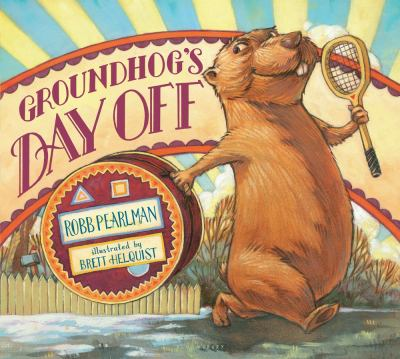
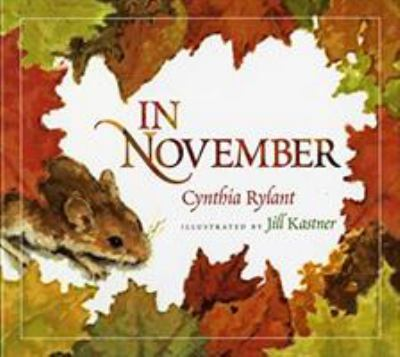
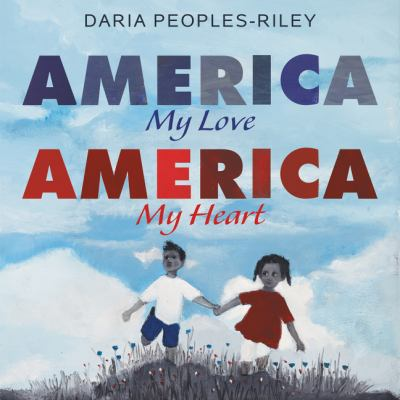
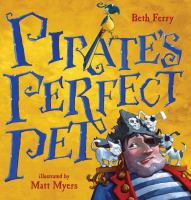
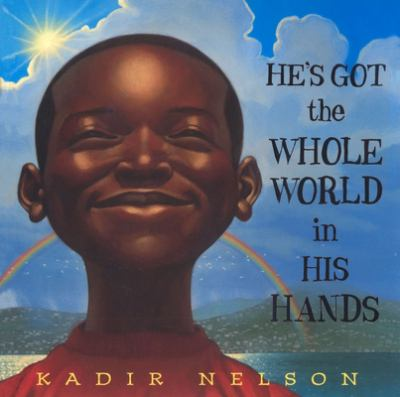
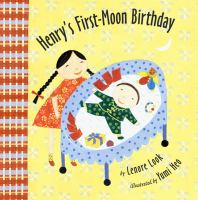
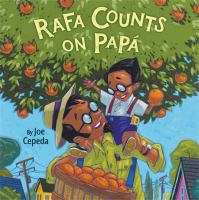
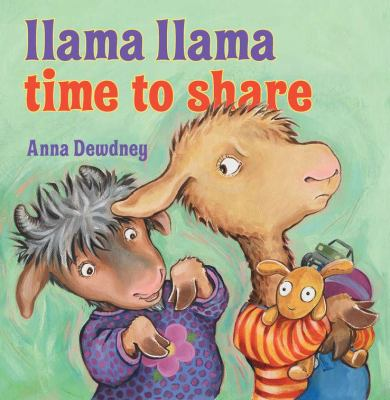
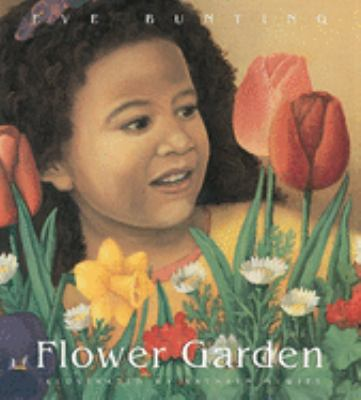
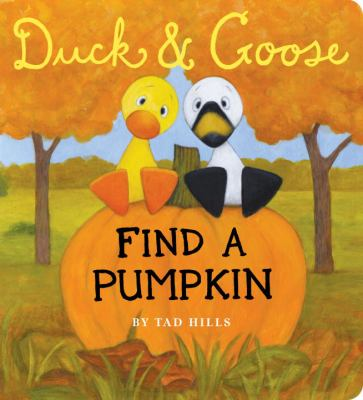
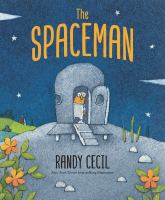
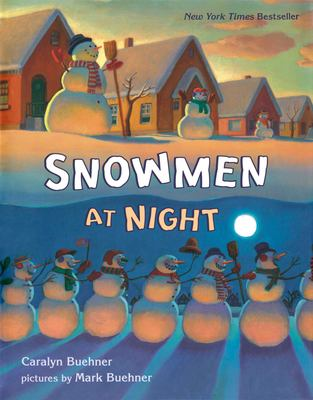
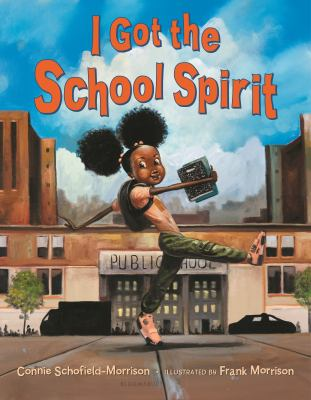
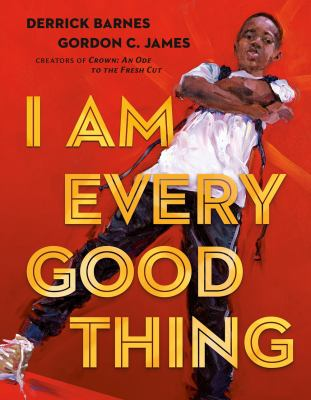
Pictured here: Groundhog’s Day Off, Pearlman; In November, Rylant; America My Love America My Heart, Peoples; Pirate’s Perfect Pet, Ferry; He’s got the Whole World in His Hands, Nelson; Henry’s First-Moon Birthday, Look; Rafa Counts on Papa, Cepeda; Llama Llama Time to Share, Dewdney; Flower Garden, Bunting; Duck & Goose Find a Pumpkin, Hills; The Spaceman, Cecil; Too Many Leprechauns, Stephen; Snowmen at Night, Buehner; I got the School Spirit, Schofield-Morrison; I am Every Good Thing, Barnes.