Inflammation is a typical reaction to anything out of the ordinary that happens to your body. Examples include an injury, being exposed to a virus or toxic chemical or a bacterial infection. When you stub your toe, it gets big (inflamed) and red, that is an example of inflammation. Inflammation is beneficial and helps the body heal. Problems occur when your body is in a constant state of inflammation. Constant inflammation can lead to serious chronic health issues. According to the Cleveland Clinic, chronic health issues include but are not limited to Rheumatoid Arthritis, Heart Disease, High Blood Pressure, Crohn’s Disease, Asthma, Type 2 Diabetes, Depression and Anxiety. Any one of these health issues can greatly affect quality of life.
Anti-Inflammatory Foods
Anti-inflammatory is defined (Merriam-Webster) as counteracting inflammation. Fighting inflammation can be done with medication. Diet can also play an important role in controlling inflammation. There are many anti-inflammatory foods readily available. The list below is far from exhaustive but is a good start. According to Harvard Health Publishing (Harvard Medical School) the following foods are anti-inflammatory and should be incorporated into your diet.
- Tomatoes
- Olive Oil
- Green Leafy Vegetable (Kale, Spinach, Collard Greens)
- Almonds and/or Walnuts
- Salmon, Tuna, Mackerel or Sardines
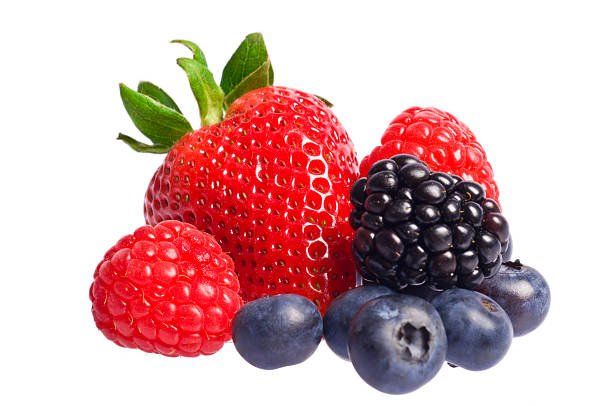
- Berries
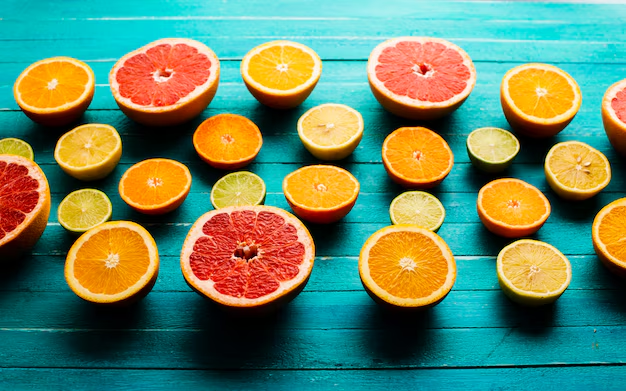
- Citrus Fruits
Inflammatory Foods
Harvard Health Publishing (Harvard Medical School) also provides a list of inflammatory foods to avoid. These foods are listed below and are very much a part of the SAD (Standard American Diet). According to the National Institutes of Health, the SAD is linked to many chronic health issues.
- Refined Carbohydrates
- French Fries and other fried foods
- Soda
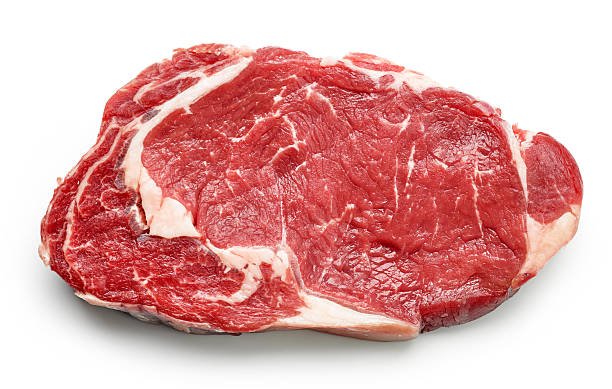
- Red Meat/Processed Meat
- Margarine/Shortening/Lard

Healthy Eating
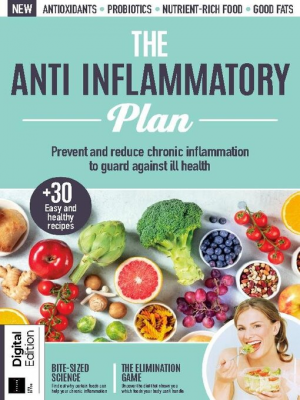
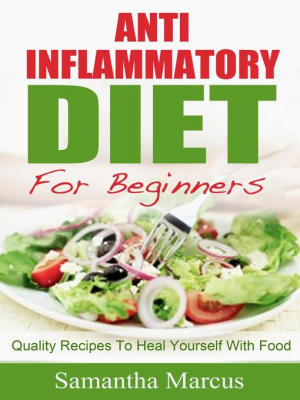
There are a variety of cookbooks available to help you incorporate anti-inflammatory foods in you diet. It does take effort if you don’t already eat a diet rich in anti-inflammatory foods, but the benefits will add up over time. If you currently have a chronic health issue eating an anti-inflammatory diet can help alleviate your symptoms and feel better. If you are healthy an anti-inflammatory diet can help you maintain good health. Check out some of the titles below.


These food choices likely don’t come as surprise to many. Whole non-processed foods are healthy. These foods can have anti-inflammatory benefits and promote weight loss. Incorporating anti-inflammatory foods into your diet can be a challenge. The first step is always the hardest. Making small changes over time add up. Eventually eating an anti-inflammatory diet will be a part of your daily routine.
Activities to Encourage Healthy Eating
- Stroll around your local Farmer’s Market
- Try a fruit you have never tried before
- Spend some extra time in the Produce Department of your local grocery store
- Take a cooking class focused on healthy (anti-inflammatory) foods.
- Meal plan for a week or two in advance (this will not only help you eat healthier it will save you money).
- Batch cook food for the week (this will help avoid those trips through the fast food line)
- Read a new cookbook with health recipes
- Cook and enjoy a meal with friends or family