Laughter, the universal language
Robert Provine, who studies laughter (also called Gelotology), said: “Laughter is a mechanism everyone has; laughter is part of universal human vocabulary. There are thousands of languages, hundreds of thousands of dialects, but everyone speaks laughter in pretty much the same way.” It is believed that humans laughed before they were able to speak.
Babies as old as 17 days can laugh!
Laughter is not limited to just people, studies show that up to 65 animals make sounds that we can interpret as laughs! Anyone who has a dog can vouch that they have a sense of humor!
Abraham Lincoln…the comedian?
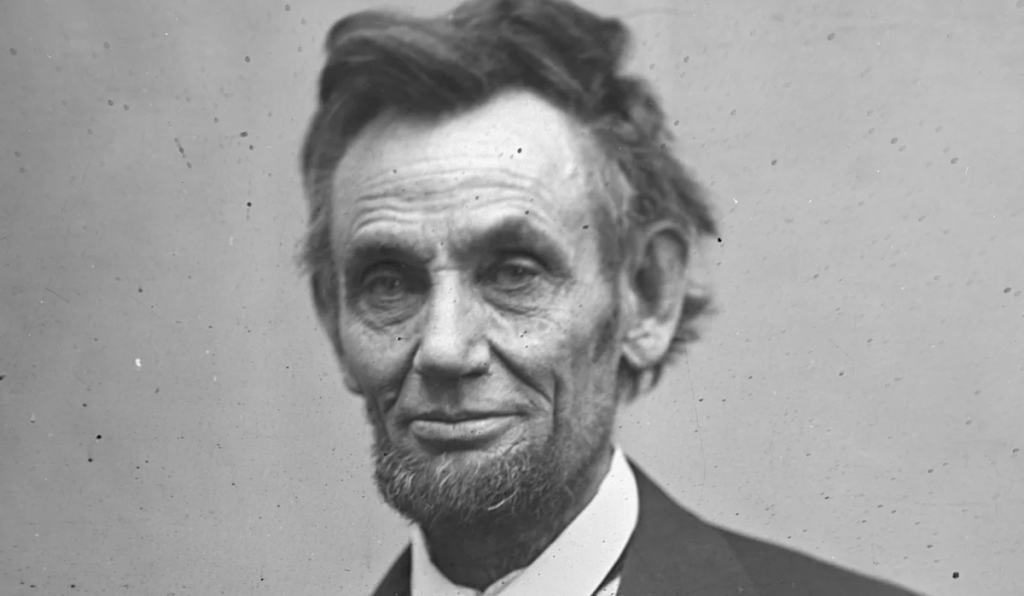
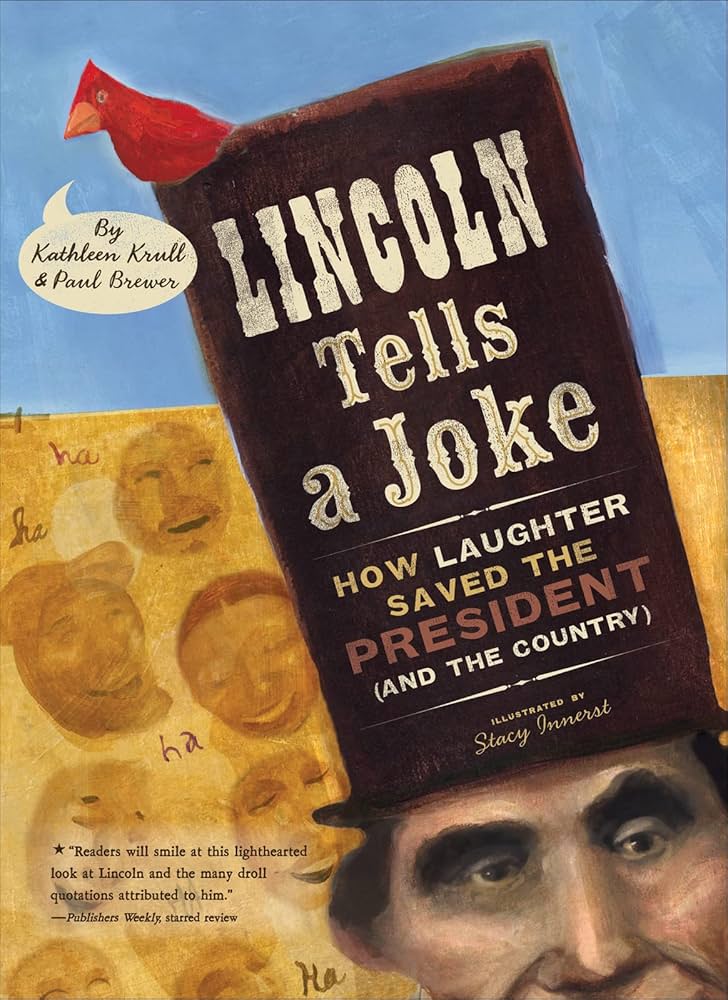
Abraham Lincoln was known to make jokes about his own lanky appearance and used comedy in his speeches. He would read out loud to his presential advisors and was quoted saying “with the fearful strain that is upon me night and day, if I did not laugh occasionally, I should die, and you need this medicine as much as I do.”
Laughter is best shared!

This is why laugh tracks or having a live studio audience became very popular in TV shows because it is easier to laugh with other laughter than when you are alone. Stop and think about a show you have enjoyed, did it have a laugh track? When it is done well, it gives people pointers about what’s funny and help them laugh along when they are alone. When it is done poorly, it is very noticeable and unnatural.
Laughter is contagious!
We’ve all heard “Laughter is the best medicine” but is there any truth to that phrase?
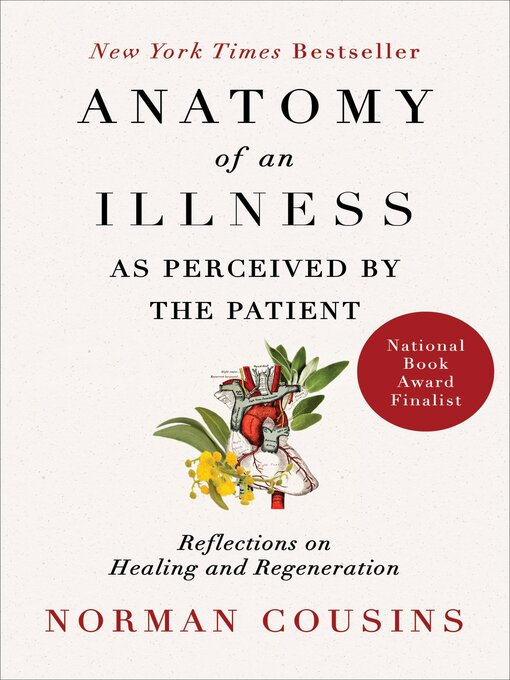
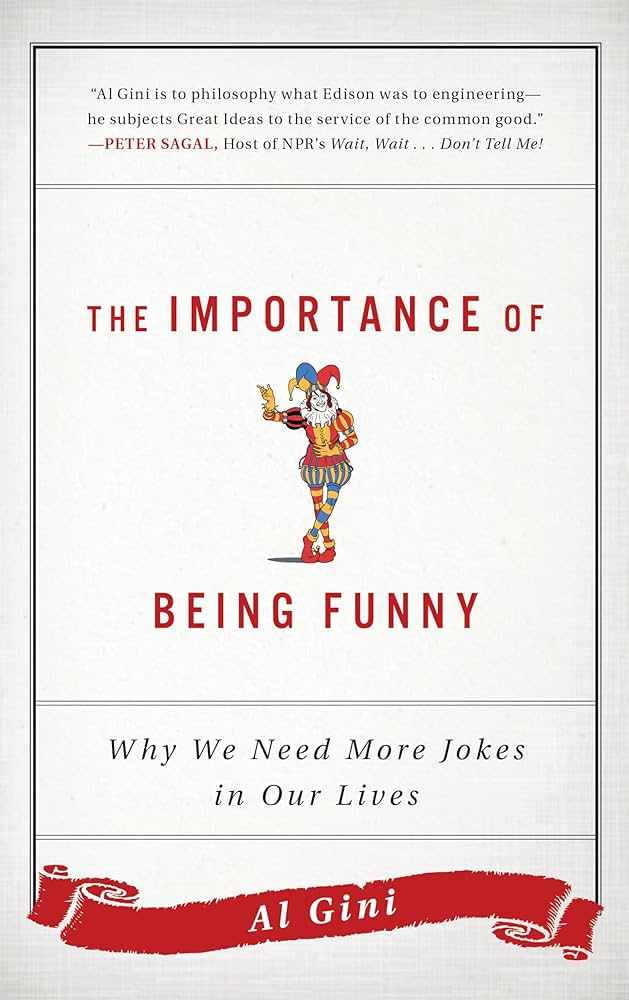
(click image to be taken to WPPL’s catalog listing)
Studies show that laughter increases the supply of oxygen to different parts of the body, increased blood flow, relieves pain, lowers stress, and increases dopamine.
Fake it til you make it
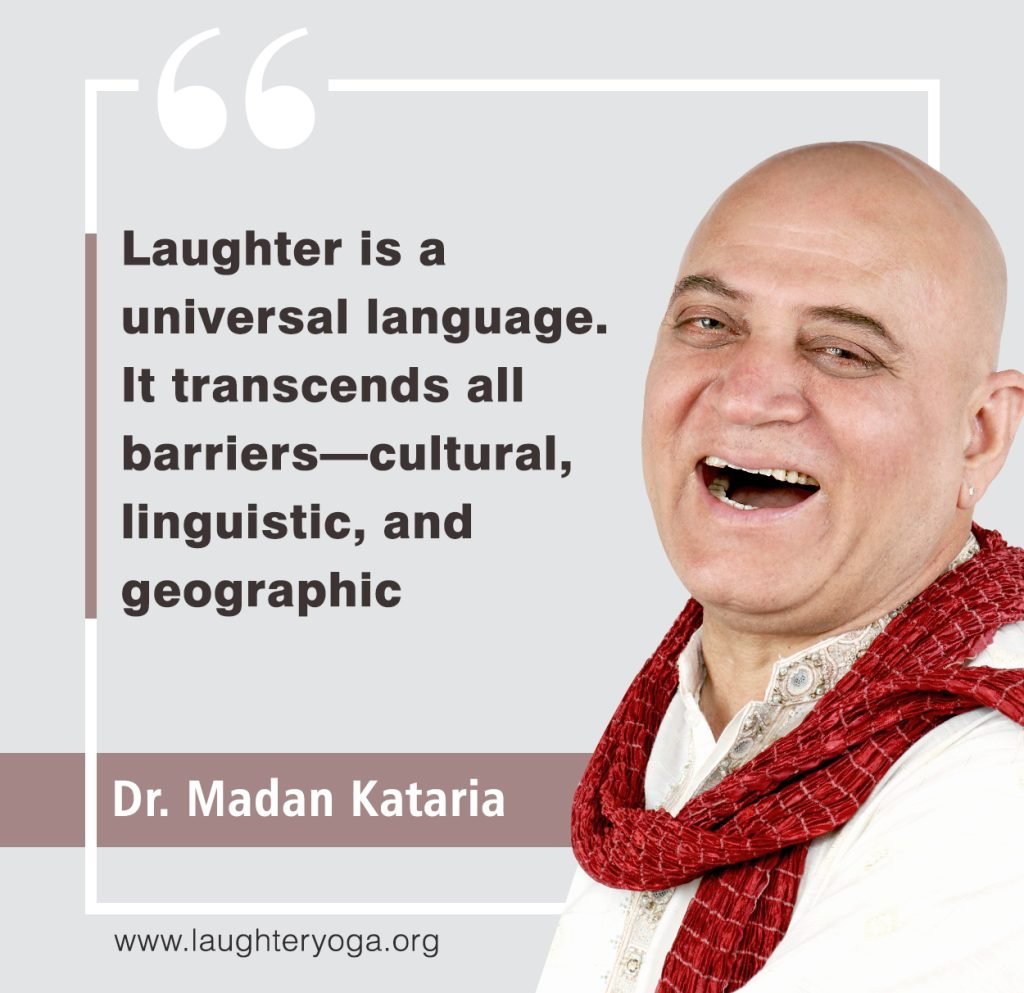
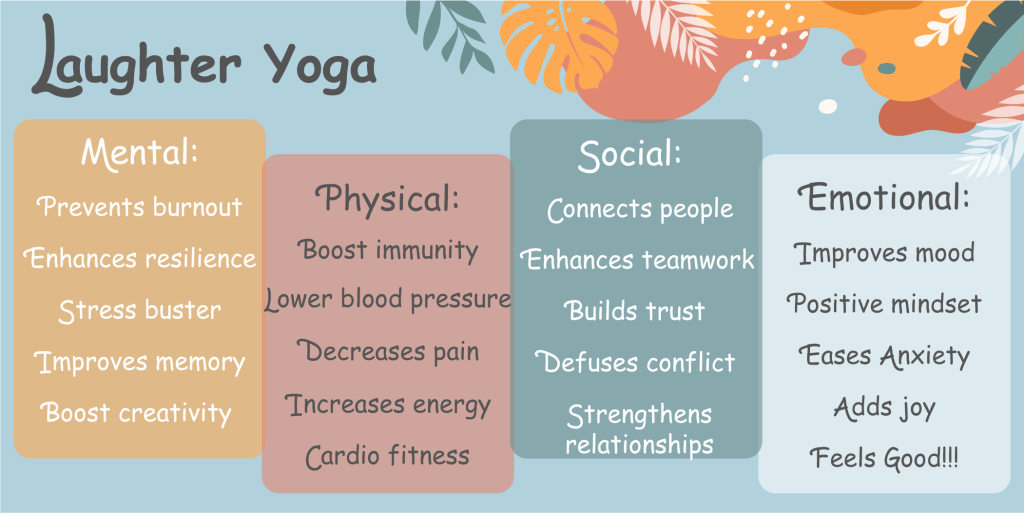
So try it out for yourself, below are some materials at WPPL to get you started. And remember as Mort Walker said, “Seven days without laughter makes on weak.”