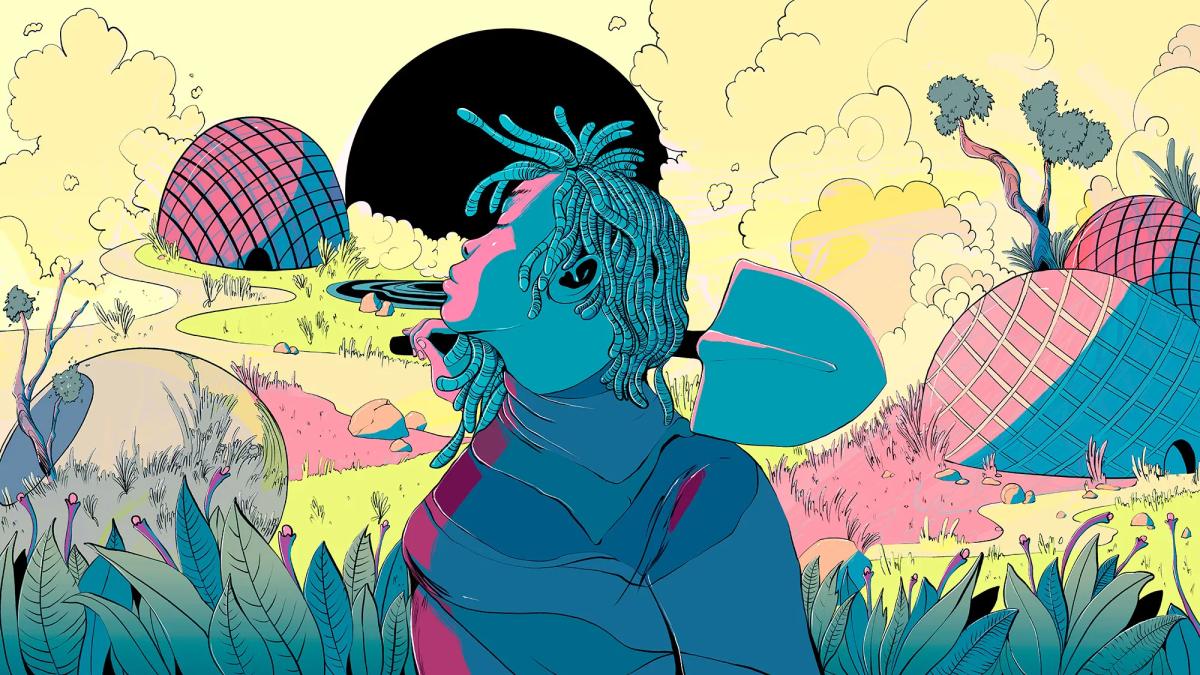
“Afterglow” gave the Environmentalism Book Club so much to talk about! This short story collection, curated by the non-profit organization Grist, collects stories of climate fiction ranging broadly from tales grounded in reality to some totally fantastical. From a tale of regenerative agriculture to talking to ghosts in a giant forest graveyard, each story is worthy of a whole discussion by itself.
The collection was the result of Grist’s 1st annual short story competition, “Imagine 2200: Climate Fiction for Future Ancestors” in 2021; since then, there’s been a new set of winning stories published each year (click here to explore more) – in fact, the 2022 edition, titled “Metamorphoses“, is our selection for November, and I can’t wait to dive in to what I’m sure will be another beautiful collection full of thought-provoking, hopeful stories of humanity’s future.
Next month, we will discuss the fictional “Everything for Everyone: An Oral History of the New York Commune, 2052–2072” . Copies are available now online only through Hoopla (click here for a patron’s guide to signing up for this free service) – click the button below to learn more and register.

And now: the resources! Happy browsing!
Book Club Companion
I made this presentation to accompany my reading of the stories in “Afterglow” after finding myself thinking “What’s that?” about some of the creatures, plants, foods, and locations mentioned. The members of the book club said they found it useful in contextualizing some moments in their own reading, so I hope you enjoy!

Grist
The non-profit organization that puts on the “Imagine 2200” contest, they are “dedicated to telling stories of climate solutions and a just future”. Along with their foray into climate fiction, “Grist is the largest and most experienced climate-focused newsroom in the country” with 40 journalists spread across nearly 20 U.S. states.

Fix
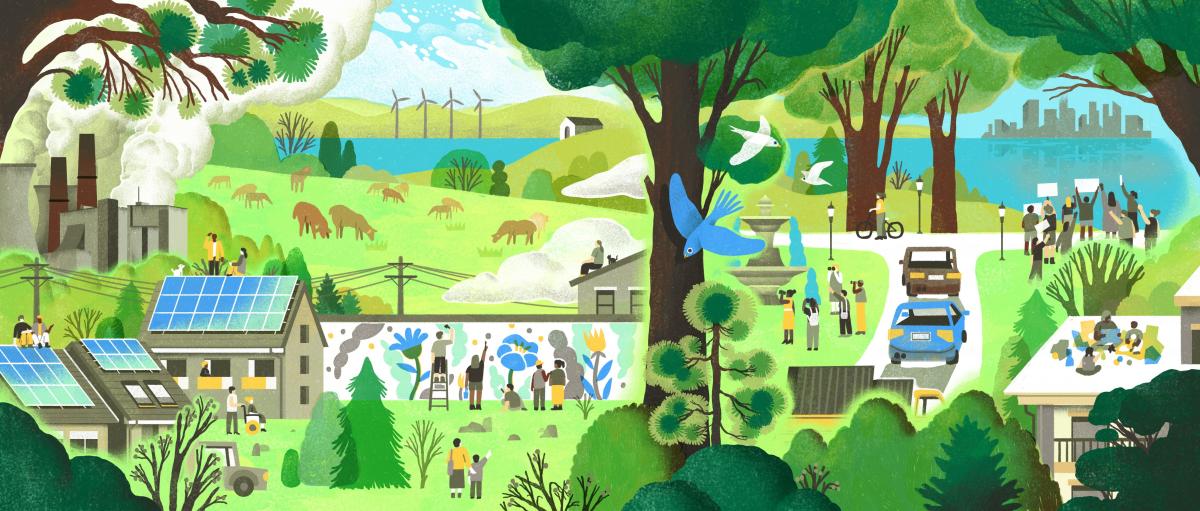
Grist’s “Solutions lab” that highlights existing promising solutions to the climate crisis that “just haven’t yet gained sufficient momentum to tip the scales.” Covering topics from Arts + Culture to Infrastructure to Transportation and more, Fix assembles a list each year called the “Grist 50”, an annual list of climate and justice leaders to watch. Below is a link to their 2024 list – check them out!


Imagine 2200 – Read the stories!
All the stories published from “Afterglow” – and all the subsequent collections – are available to read for free on the Grist website! If you’re looking for short, hopeful, diverse, imaginative stories, I would absolutely check out this site.
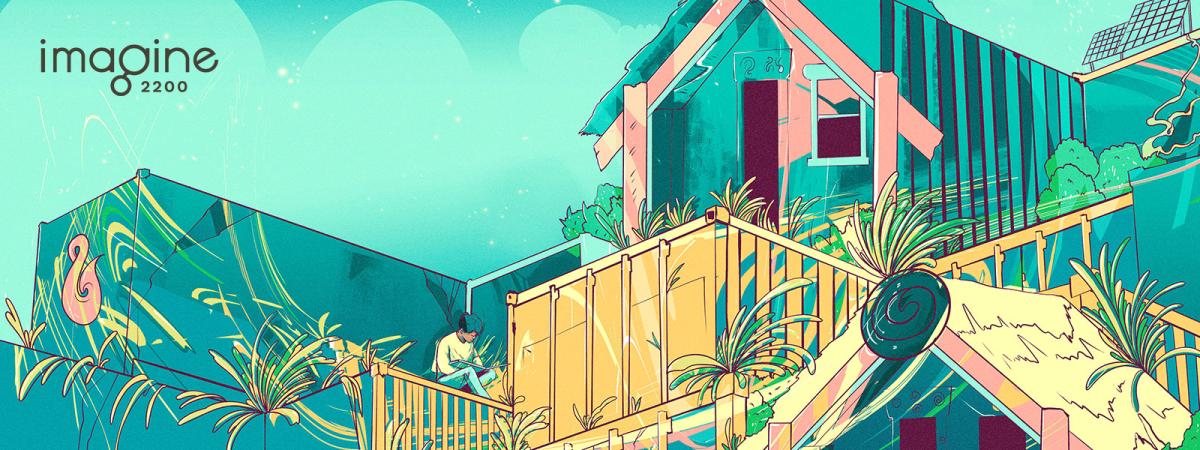
Interviews with select “Afterglow” Authors
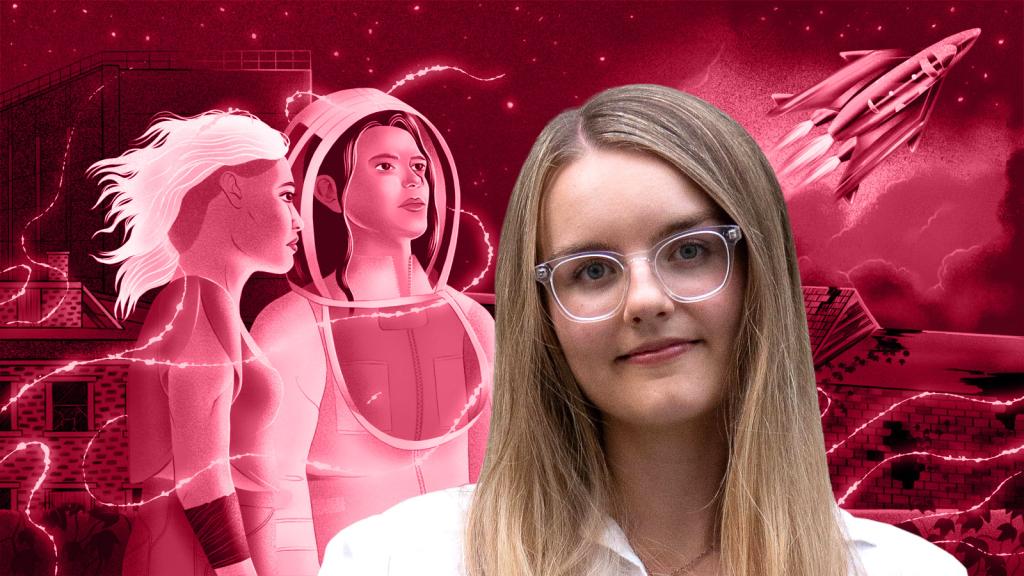
Fix: Lindsey Brodeck, author of “Afterglow”
“To care for nature, this writer says, we need to change how we talk about it. Lindsey Brodeck, the first-place winner of Imagine 2200, Fix’s climate-fiction contest, on how her study of environmental science and language influences her work.”
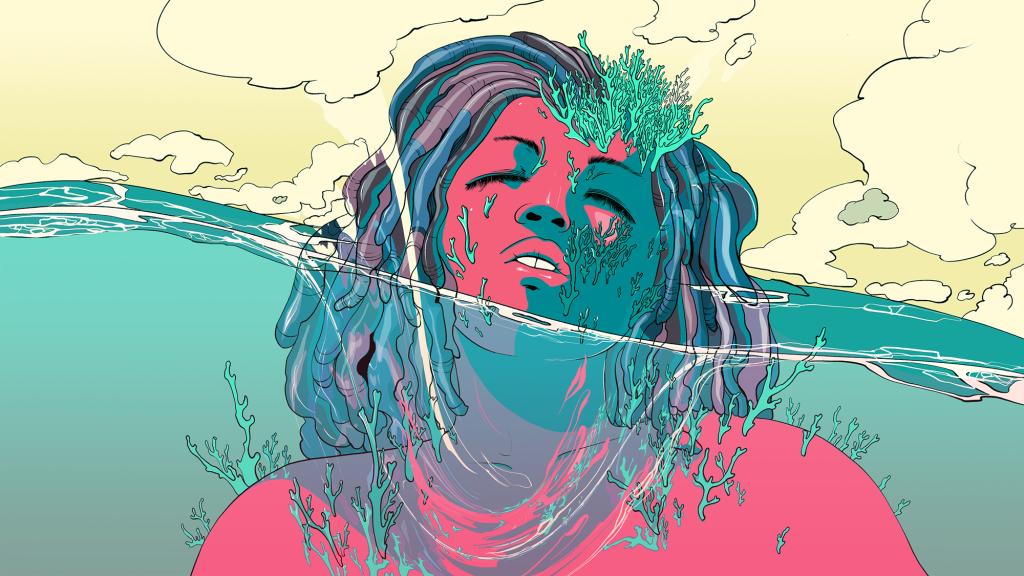
Fix: Ada M. Patterson, author of “Broken From the Colony”
“In this writer’s vision of our climate future, trans girls are the only survivors. Ada M. Patterson, an Imagine 2200 finalist, crafts a morbidly beautiful fate for her home country of Barbados.”
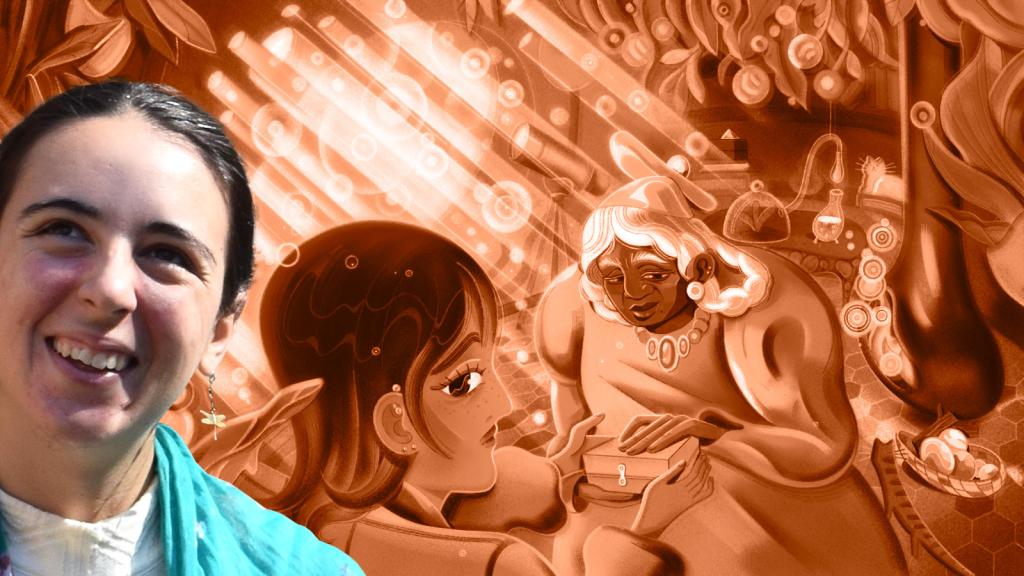
Fix: Ailbhe Pascal, author of “Canvas – Wax – Moon”
“When a queer witch writes climate fiction, utopia isn’t the goal. Philadelphia writer and spell-caster Ailbhe Pascal, an Imagine 2200 finalist, sees fiction as a way to manifest a better future.”
Uncanny Magazine: Q&A with Finalists of Fix’s Climate Fiction Contest
Interview with authors Ada M. Patterson of “Broken from the Colony”, and Tehnuka, writer of “El, the Plastotrophs, and Me”. This Q&A goes over topics such as how the authors’ backgrounds and experiences influence their writing, and the challenges of having hope amid the climate crisis.
Articles Inspired by the “Afterglow” Stories
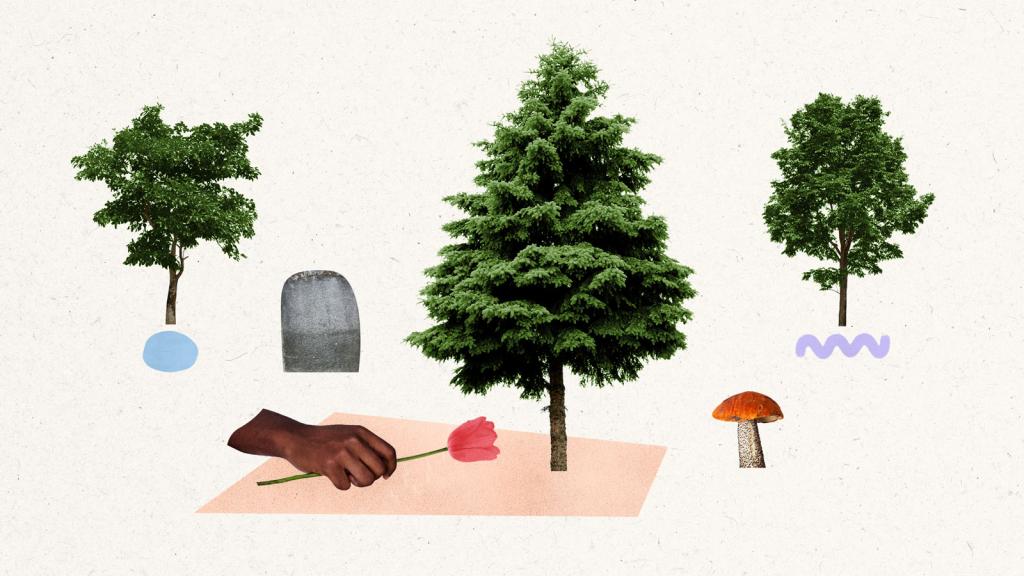
Fix: “From fiction to reality: Could forests replace cemeteries?”
Inspired by Michelle Yoon’s “The Tree in the Back Yard“, this article discusses the modern ‘green burial’ movement, and the several different ways humans can be laid to rest after death, without a casket or cremation, avoiding the negative environmental impact of traditional burial practices.
Fix: “From fiction to reality: the potential of plastic-eating organisms“
Tying in to Rich Larson’s “Tidings“, about the huge effects of the invention of a tiny trash-eating robot, this article posits that “biologists are making exciting progress developing real-world applications for…..plastic eaters.” Imagine a world in which plastic littering our planet is a thing of the past!
Local News

“Art Transforms Rocky River’s Public Spaces“
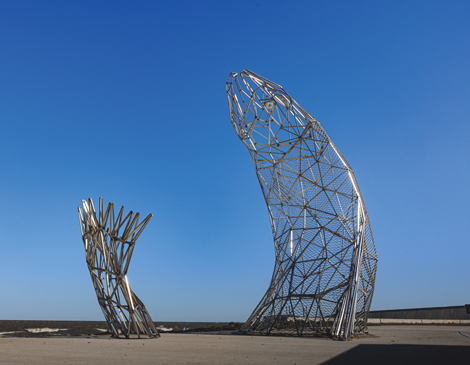
A new installation by Stephen Manka & James Ray at Bradstreet Landing in Rocky River depicts a steelhead fish, made of a metal and mesh grid, coming out of the ground. But here’s the interesting bit: you’re encouraged to toss your plastic bottles into the fish! This is meant to emphasize “the importance of Lake Erie as a natural resource and our responsibility to properly dispose of waste.” This is a great example of art created with intention, teaching stewardship and bringing awareness to recycling and the need to keep beaches clean!
Thank you for reading!
I hope we’ll see you next time — Wednesday, September 10, 7-8:30 p.m. — to discuss “Everything for Everyone” by M.E. O’Brien