
One of the most fun parts of my job is offering tips in Reader’s Advisory to my coworkers. For those of you unsure what Reader’s Advisory is, that’s the process of helping readers to find books based on what they already enjoy. A reader’s advisory session might involve a librarian asking questions about books you like, what you are looking for right now, and even tropes and types of characters that appeal to your interests. And from there, we find you some books that we think you’ll really enjoy!
As a quick aside, if you’d like to get some personalized RA suggestions, consider checking out My Librarian on our website. Our team of readers will take the information you’ve provided us with to help you find a list of books to check out from the library.
But, back to the topic at hand! Today, we’re going to talk about mystery subgenres. Not all mysteries are created equal. What I mean is, the types of mysteries you might enjoy and the ones I might enjoy perhaps are different from each other. I’m sure we’ve all been there before–two people enjoy reading the same genre, but don’t have a single favorite book in common! It’s almost like we’re reading two completely different genres!
To keep things simple, I’ve broken down the mystery genre into 12 sub-genres. These are all different types of stories that appeal to different people for different reasons. If you’re a mystery reader, think about some of your favorite titles and try to see if you can imagine where they would fit on this list!

Amateur Sleuth
In these stories, the “detective” is not a professional sleuth, but for whatever reason, has begun investigating the crime. Perhaps a friend or relative is a suspect. Or perhaps they are. Or maybe they’re just nosy. Either way, this person lacks the professional background and training of a true detective. For example, the story might center around the local busybody, who during a round of routine spying from her bedroom window, believes she sees her reclusive new neighbor burying a body in his backyard and tries to gather enough evidence to prove he’s a killer.
Consider starting with The Curious Incident of the Dog in the Night-Time (Mark Haddon) or Vera Wong’s Unsolicited Advice for Murderers (Jesse Q. Sutanto)
Courtroom
In these stories, a lawyer or member of the legal team tries to find information to prove their case in court. Part one of the story involves gathering evidence and solving the crime, while part two is arguing before judge and jury. If your protagonist is the defense attorney, part of the drama includes proving their client innocent by finding the real killer.
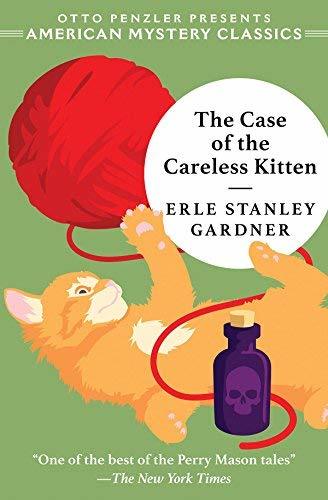
Consider starting with Case of the Careless Kitten (Earle Stanley Gardner) or A Time to Kill (John Grisham)

Cozy
Like the Amateur Sleuth, these stories feature a “detective” with no professional experience at all, and they are often drawn into the conflict by chance. For example, a tea shop owner might have to clear her name after a high-profile client is found poisoned with arsenic-laced cup of earl grey. These stories avoid sex, graphic violence, or swearing, and often employ cute, punny titles. Sleuths can be anything from a shop owner, to a librarian, to a cat! And depending on the occupation of the sleuth, these books might even include knitting patterns or recipes in the back!
Consider starting with Arsenic and Adobo (Mia P. Manansala) or Dying for Chocolate (Diane Mott Davidson)
Hardboiled
Gritty, rough, and violent, these stories feature hardened detectives with a strong sense of justice, who work to fight crime in a corrupt system. While they might bend the rules on occasion (in the pursuit of justice), these rough characters are–at heart–good people trying to do the right thing.
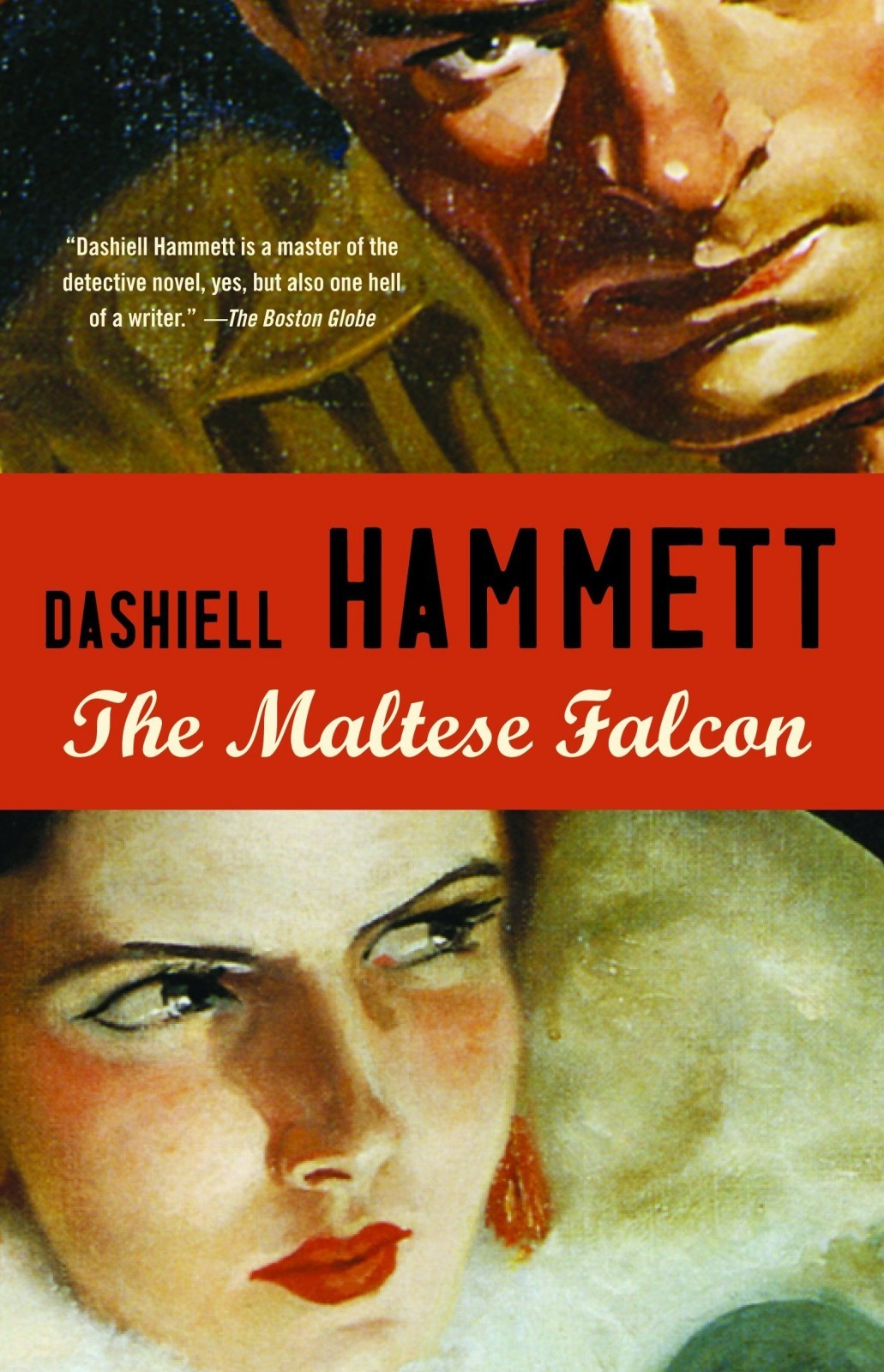
Consider starting with The Maltese Falcon (Dashiell Hammett) or The Big Sleep (Raymond Chandler)

Historical
These mysteries have historical settings and were written by authors who were not contemporaries of the time they were written. For example, the Sherlock Holmes series would not be considered historical, since it was set during the time period in which it was written. For a title to be historical, there should be at least a 50 year gap between the setting of the story and the time the author is writing it (the same applies to Historical Fiction). These stories can feature a wide array of characters and plotlines, some of which will bleed into other subgenres as well, such as Amateur Sleuth, Locked Room, and Whodunit.
Consider starting with The Pale Blue Eye (Louis Bayard) or The Sweetness at the Bottom of the Pie (Alan Bradley)
Locked Room
A crime has been committed in a locked room or enclosed space, with no obvious means of the culprit getting in or out again. The question is not only “Who did it?” but “How did they do it?” and “How did they get away?” These are exciting puzzlers that keep readers guessing and often feature shocking reveals.
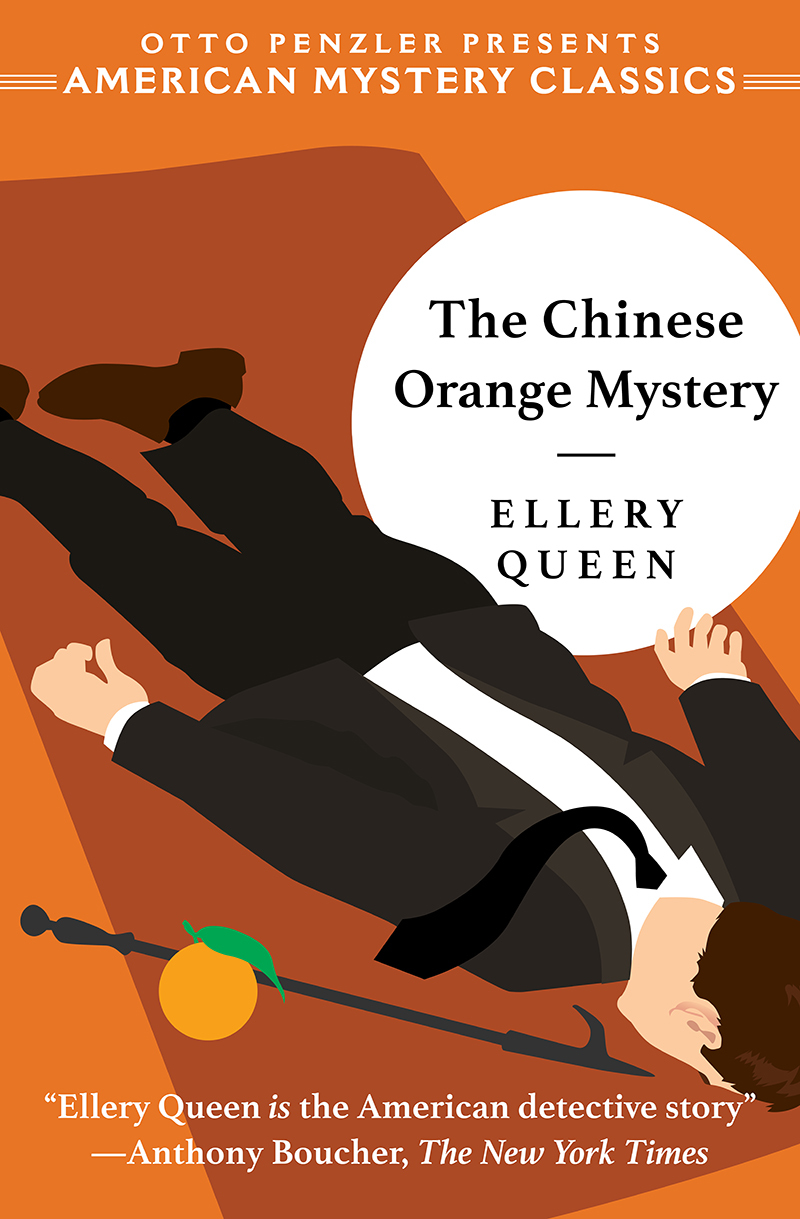
Consider starting with The Chinese Orange Mystery (Ellery Queen) or The Mystery of the Yellow Room (Gaston Leroux)
Mystery-Thriller
While a true thriller is not a mystery (although both are crime novels) a mystery-thriller takes the pulse-pounding, fast-paced excitement of a thriller and combines it with a mystery. This makes for an extremely gripping story that is almost impossible to put down, with a central mystery to be solved in the end. While the central question of a thriller is “Can they do it?” this has the added question of “Who committed the crime?”
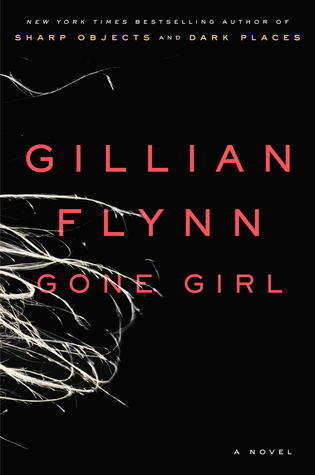
Consider starting with Shutter Island (Dennis Lehane) or Gone Girl (Gillian Flynn)
Noir
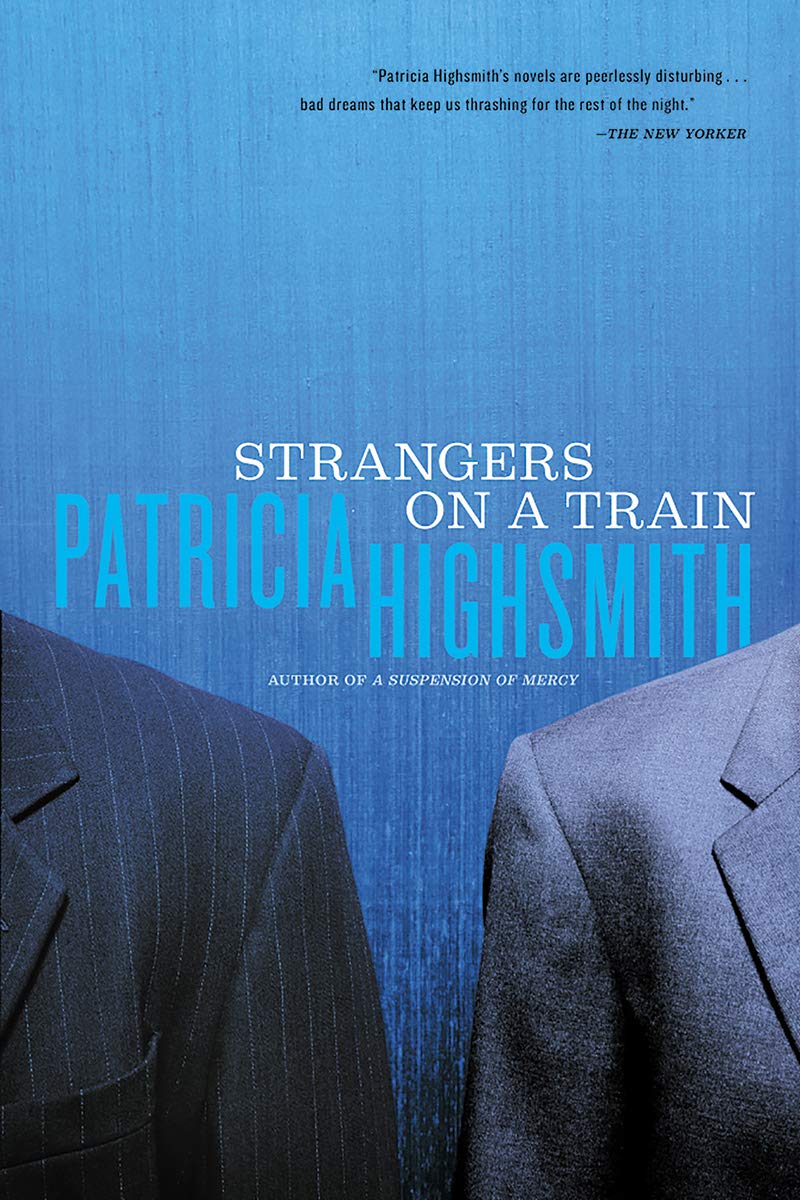
These dark mysteries are similar to Hardboiled in that they feature protagonists who are morally grey at best, but unlike Hardboiled, Noir protagonists are often deeply disturbed and self-destructive. Emotions run high, and the darkness inside the human heart is often a central theme. Unsettling, frightening, and emotionally manipulative, these stories feature “fallen” characters working within a corrupt system where the lines of good and evil are severely blurred.
Consider starting with Strangers on a Train (Patricia Highsmith) or Double Indemnity (James M. Cain)

Paranormal
These books can borrow elements from other subgenres, but to count as paranormal, they must have a supernatural element running through it. Perhaps your detective uses magic. Or perhaps the crime appears to have been committed by someone (or something) that is not of this world. Either way, vampires, ghosts, and other unexplained phenomena abound.
Consider starting with Storm Front (Jim Butcher) or A Study in Brimstone (G.S. Denning)
Police Procedural
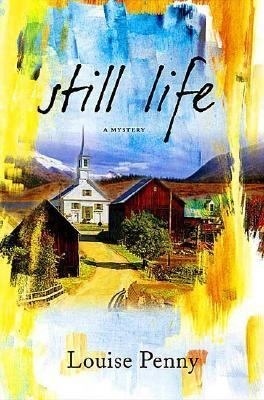
If you want your mystery to play out “by the book” then consider a police procedural. These detectives are official law enforcement officers who use standard law enforcement procedures. It’s just like watching your favorite police shows on TV!
Consider starting with Still Life (Louise Penney) or The Black Echo (Michael Connelly)
Solve-it-Yourself
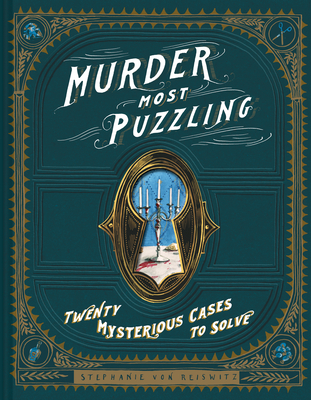
You’re the detective now! All the clues you need to solve the mystery are included right in front of you. Now, you just have to put them together and find out who did it. In a more traditional mystery, you may or may not be able to solve the case with clues provided in the book (although some certainly make it possible). But, these books go a step further, not only providing you with everything you need, but centering the entire narrative around your solving the case. Story might be a little lighter in these tales, but most of the fun comes from puzzling out the clues.
Consider starting with Murder Most Puzzling (Stephanie von Reiswitz) or Can You Solve the Murder? (Antony Johnston)
Whodunit?
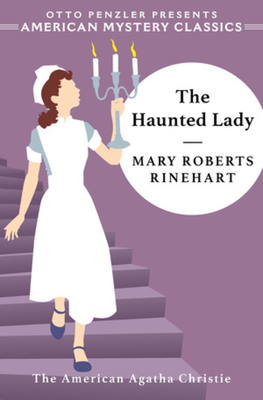
This is my favorite! There has been a murder and there is a large cast of characters who all have a strong motive for wanting the person dead. Was it the nephew who stood to inherit it all? Or was it the butler who was called a “bumbling clod” one time too many? Perhaps it was the jealous wife or the mistress trying to hide proof of their affair. What makes this trope so much fun is that everyone has a reason for committing the crime, so there are usually tons of red-herrings and false leads as you try to place you bets and guess which motive actually resulted in murder.
Consider starting with The Haunted Lady (Mary Roberts Reinhart) or Murder on the Orient Express (Agatha Christie)


